Behind the Double Win: JDEnergy's String-Type Architecture Delivers on Efficiency and Returns

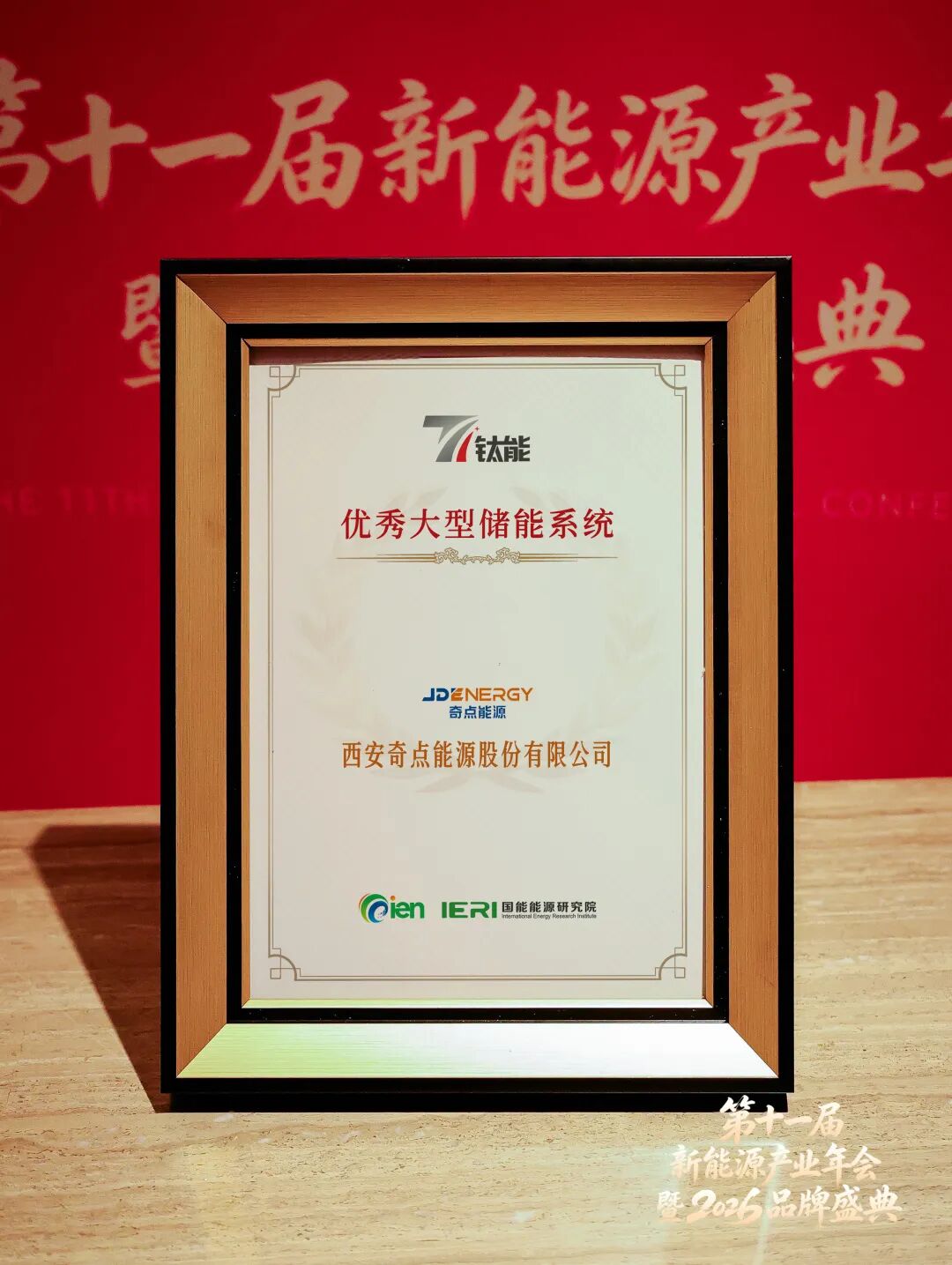
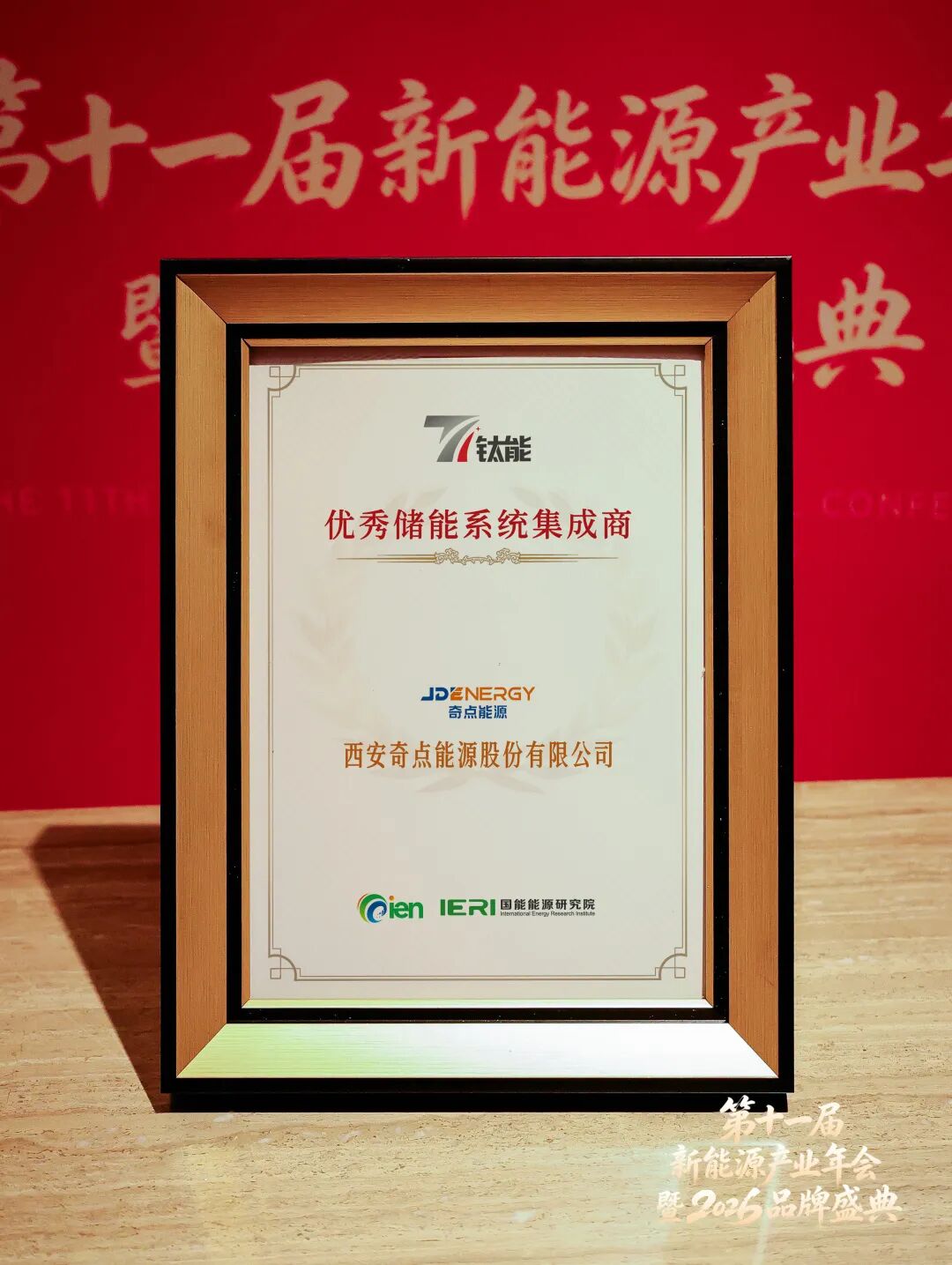
On October 22, the 11th New Energy Industry Annual Conference and 2026 Brand Ceremony took place in Beijing. At the Taineng Awards ceremony, JDEnergy claimed two honors — Outstanding Utility-Scale Energy Storage System and Outstanding Energy Storage System Integrator. The double recognition validates a logic JDEnergy has pursued without compromise in the utility-scale storage segment: use string-type architecture to maximize efficiency, and turn that efficiency into real returns.
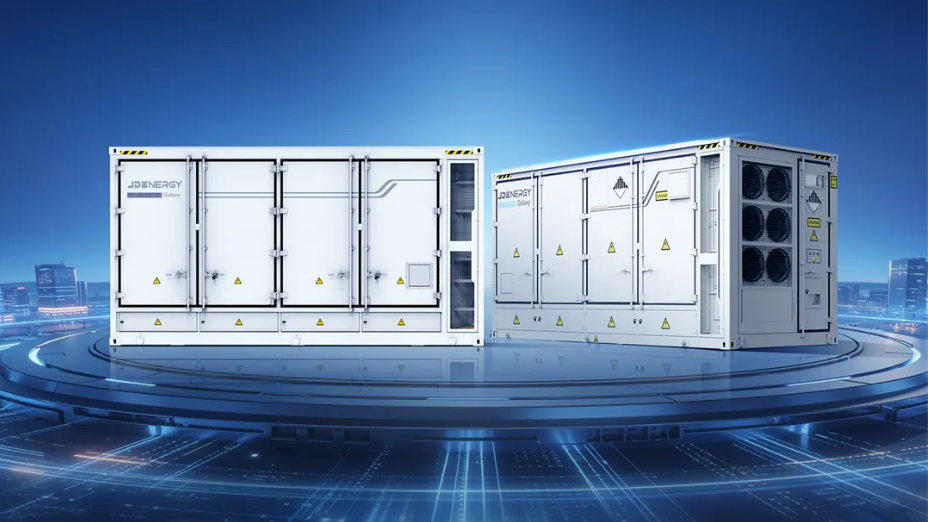
The workhorses behind this approach are the Galaxy series of string-type prefabricated cabins. Galaxy-1 has already been deployed at scale across multiple utility-scale projects, while Galaxy-2, built on the "DC–AC–Grid–Intelligence" technology foundation, takes capacity, cost-efficiency, and intelligence a step further. Galaxy-1's real-world performance at the Taiyaoxinchun 500 MW/2,000 MWh energy storage project in Inner Mongolia has been particularly compelling.
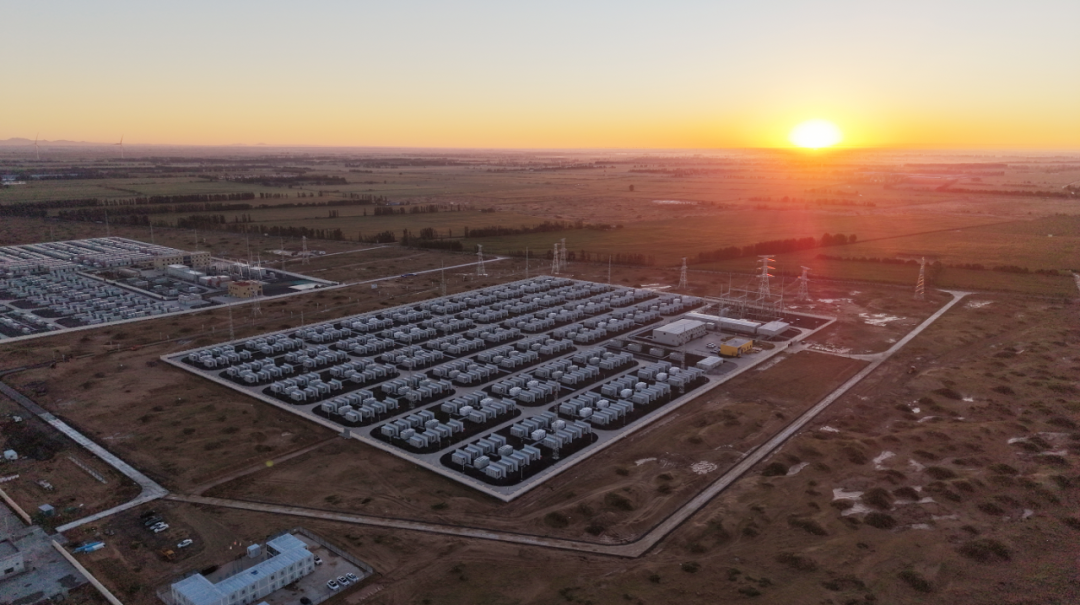
The project is JDEnergy's first GWh-scale delivery, with 400 Galaxy-1 string-type prefabricated cabins deployed across the site. Built on a productized-engineering approach, every unit is fully tested and pre-commissioned before it leaves the factory, so on site it needs only lifting and wiring to connect. The results speak for themselves: all equipment delivered within 60 days, full-station commissioning and three full charge–discharge cycle verification completed in just 7 days, and overall construction efficiency more than 40% higher than conventional approaches.
When it comes to operating efficiency, the string-type architecture's advantages come to the fore once again. Round-trip efficiency at the project's 220 kV point of interconnection has held steady above 88.5% — significantly above the average for grid-side storage in China. That edge comes from the architecture's cluster-level management logic: each battery cluster connects to its own PCS, preventing circulating currents between clusters and eliminating the "barrel effect" that caps performance at the weakest link. The result is 100% depth of discharge. For a 2 GWh-scale plant, that translates directly into substantial incremental revenue.
But JDEnergy's capabilities extend well beyond equipment delivery. As the industry shifts from policy-driven to market-driven growth, JDEnergy has long since moved past the role of a pure equipment supplier, building full value-chain service capabilities that span operations and O&M.
Once the Taiyaoxinchun plant in Inner Mongolia was connected to JDEnergy's eTrader smart power trading and operations platform, its revenue ranking has held steady in the top 10% of its region, with operating capability in the industry's first tier. The Niushoushan Banqiao No. 2 energy storage plant in Wuzhong, Ningxia, tells the same story, consistently ranking in the regional top 10% by revenue. From western Inner Mongolia to Ningxia, JDEnergy's operating strength has been put to the test — and proven.
"The market is always right," says Liu Weizeng, founder and chairman of JDEnergy. "The shared needs of all customers are what point the industry forward." Customers want faster delivery, higher efficiency, and steadier returns — and JDEnergy is delivering all three through real-world practice. As the industry leaves behind indiscriminate expansion, it is the companies that can convert both equipment performance and operating capability into returns that will have the confidence to ride out the cycle.