Benchmark Case | Wuzhong Niushou Mountain 200MW/400MWh Banqiao No.2 Energy Storage Power Station

Amid the vast wilderness and desert winds, 1,078 energy storage cabinets stand in a neat formation, always ready to meet the “test” of the power grid. Since being connected to the grid in December 2024, the Wuzhong Niushou Mountain 200MW/400MWh Banqiao No.2 Energy Storage Power Station has undergone more than 600 days of real-world operation. With stable and efficient performance, it has become another benchmark project for JDEnergy in source-grid-side applications.
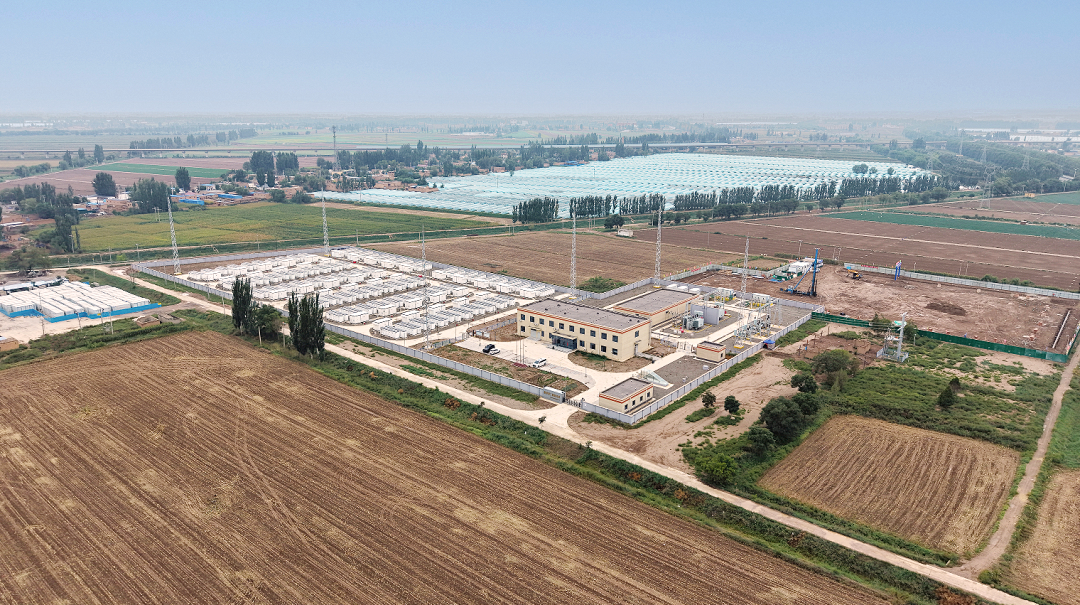
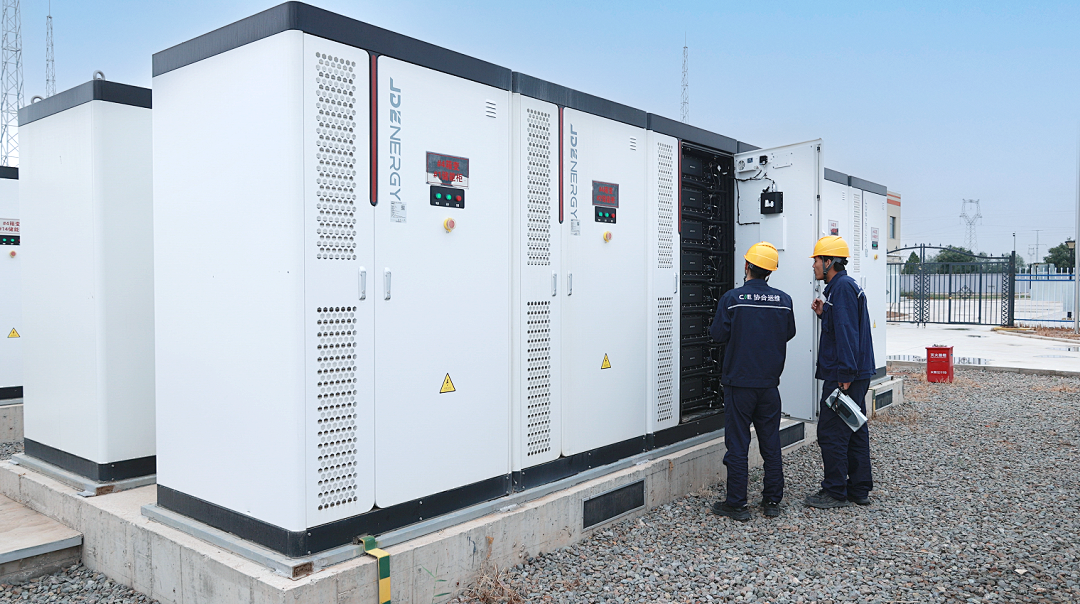
The project is located in Litong District, Wuzhong City, Ningxia Hui Autonomous Region, with a total capacity of 200MW/400MWh. At the time of completion, it was the world’s largest grid-side distributed modular energy storage power station. The project adopts a string-based energy storage solution, consisting of 36 energy storage units rated at 5.022MW/10.044MWh and 4 energy storage units rated at 4.836MW/9.672MWh. A total of 1,078 JDEnergy intelligent energy blocks eBlock-372 have been deployed.
01.
Withstanding Challenges
Delivering an Outstanding Performance in the Desert Environment
As the first company in the world to achieve large-scale application of distributed intelligent energy blocks in a hundred-MWh-level energy storage project, JDEnergy has always been committed to the string-based technology route. From commercial and industrial applications to source-grid-side scenarios, and from hundred-kWh systems to hundred-MWh projects, the complexity increases exponentially. Yet when this solution was deployed in the harsh desert environment of Ningxia, the Wuzhong Niushou Mountain Banqiao No.2 Energy Storage Power Station delivered an impressive performance report.
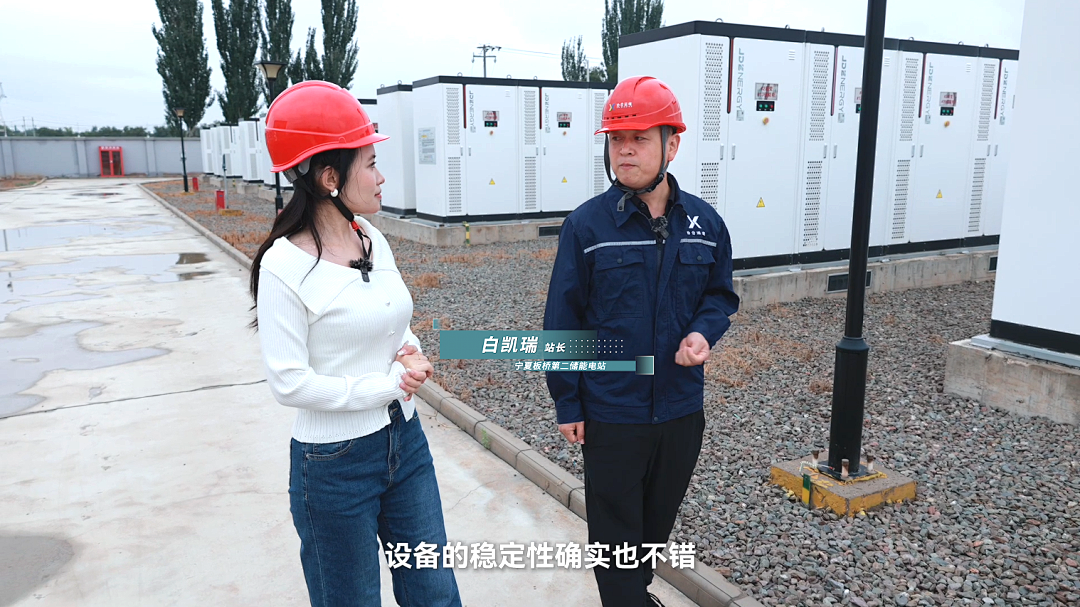
From grid connection in December 2024 to August 2026, the power station achieved a cumulative charging capacity of 226,416.96MWh and a cumulative discharging capacity of 193,712.64MWh. Regarding the operational performance of the power station, the project operator highly recognized its performance: “The overall conversion efficiency has remained between 86%-89%, consistently ranking among the top five out of 17 energy storage power stations of the same capacity in Ningxia.” Meanwhile, supported by JDEnergy’s eTrader intelligent power trading and operation platform, the project’s revenue performance has consistently remained within the top 10% in the region.
02.
Addressing Core Challenges
The Inherent Advantages of String-Based Architecture
Behind these achievements is another practical validation of the string-based energy storage solution in hundred-MWh-level source-grid-side applications. Unlike traditional centralized solutions, the string-based architecture enables independent control down to the battery cluster level, achieving one-cluster-one-management and addressing multiple core challenges of large-scale energy storage power stations from the fundamental design:
First, eliminating the “barrel effect.”
In centralized architectures, the weakest-performing cluster can limit the overall system capacity. By contrast, the string-based architecture allows each cluster to charge and discharge independently without mutual interference, enabling every battery cell cluster to release its rated capacity while improving overall usable energy and extending battery lifespan.
Second, eliminating inter-cluster circulating currents at the source.
In centralized architectures, battery clusters are directly connected in parallel. Even minor differences in battery cell parameters can trigger circulating currents between clusters, increasing energy losses and accelerating cell degradation. With the string-based architecture, each cluster is equipped with an independent power conversion unit, physically eliminating the circulating current path, reducing unnecessary losses, and slowing battery aging.
Third, naturally higher reliability.
Each individual string operates independently without affecting others. A single-point failure only impacts one cluster rather than an entire container or energy storage unit, improving overall system availability and preventing multiple revenue losses caused by unplanned downtime.
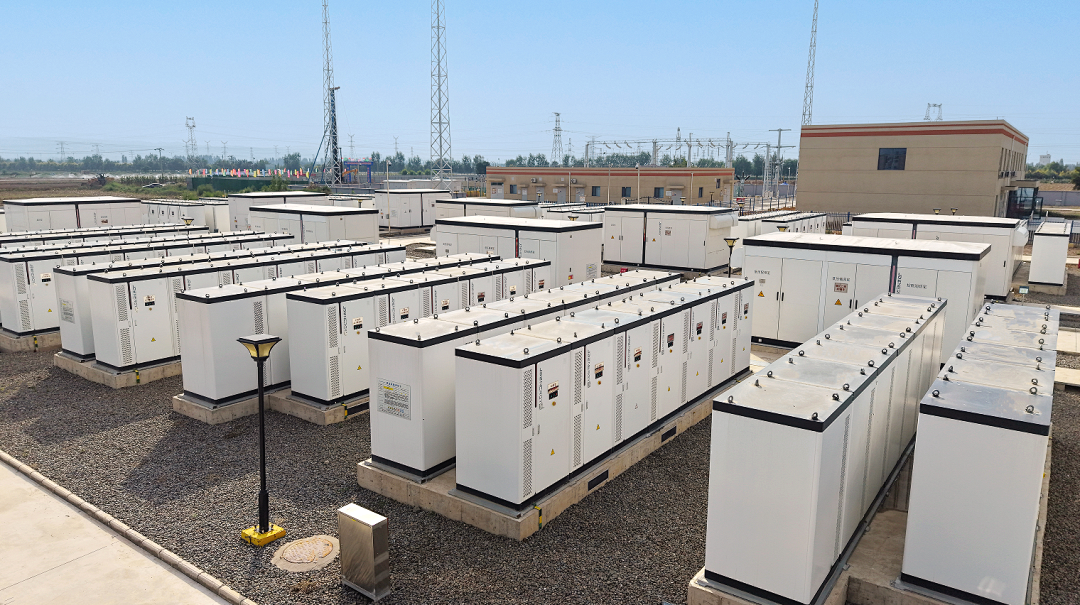
With 1,078 devices and more than 600 days of stable operation, the project once again proves that the string-based solution can fully withstand the test of hundred-MWh-level source-grid-side energy storage applications. As more large-scale energy storage projects place greater emphasis on long-term returns, the string-based architecture is no longer merely an alternative option, but a reliable solution worthy of trust.