English Translation (Horizontal lines between paragraphs, consistent naming: JDEnergy)JDEnergy Attends World AI Conference: Deep Integration of AI and Energy Storage Resonates to Unleash New Potential of Power-computing Coordination

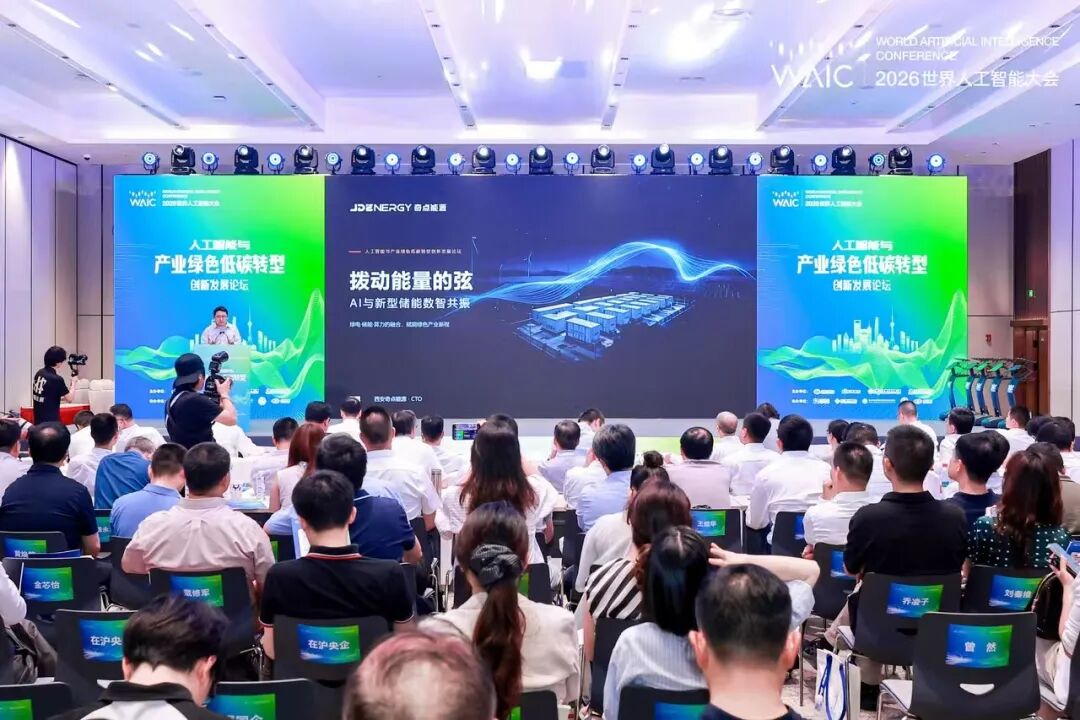
Recently, the Innovation and Development Forum on "AI + Industrial Green and Low-carbon Transition" of the 2026 World Artificial Intelligence Conference was held at Shanghai World Expo Exhibition & Convention Center. Zhang Yi, Co-founder and CTO of JDEnergy, attended the event and delivered a keynote speech titled Digital-Intelligent Resonance Between AI and New Energy Storage. Against the backdrop of accelerated formation of the national power-computing layout, the speech elaborated on leveraging "AI + Energy Storage" as the core engine to tackle key challenges in power-computing coordination, enabling new energy storage to become a reliable underpinning for computing power development and energy transition.
01. Surging Computing Power Demand
Power-computing Coordination Elevated to National Strategy
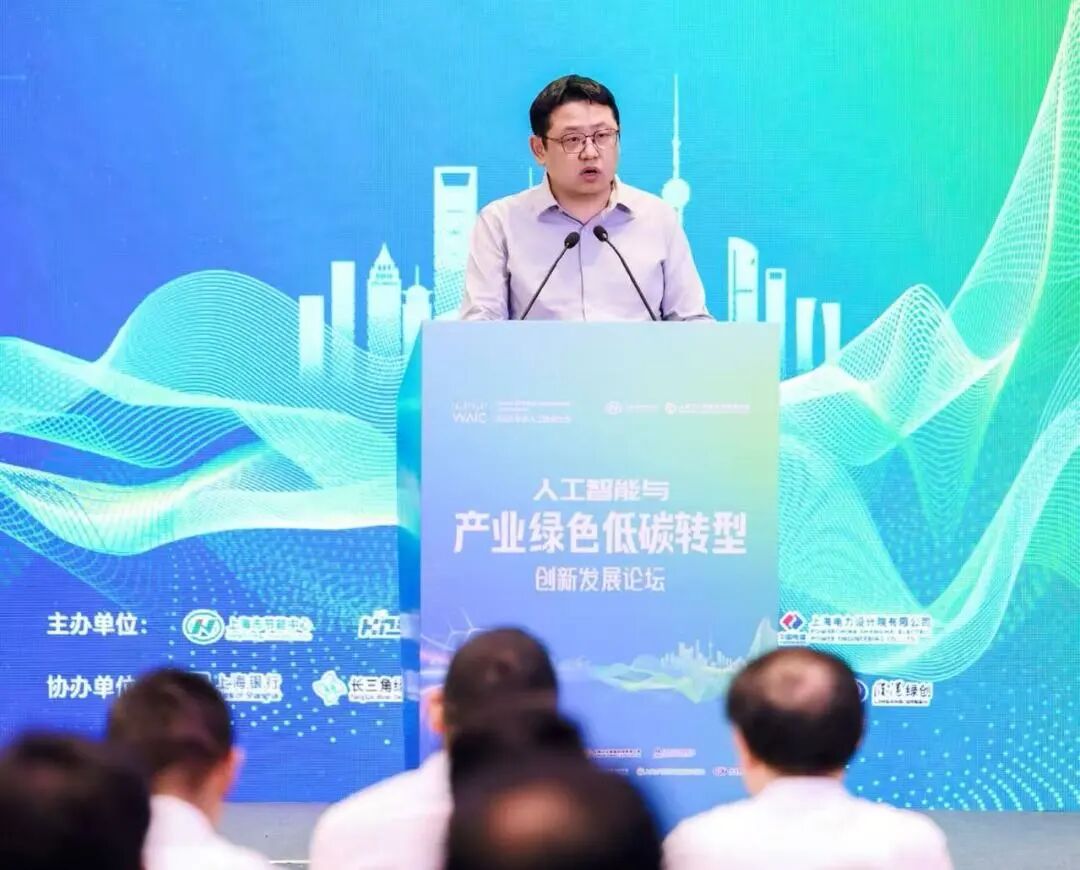
Zhang Yi pointed out that computing power represents the world’s fastest-growing electricity load. Its rapid development is profoundly reshaping the layout of national energy and digital infrastructure. Under the framework of the East Data, West Computing initiative, the industry has reached a nationwide consensus: computing power seeks green power, while green power awaits computing power loads.
From a strategic perspective, the 2026 Government Work Report incorporated "power-computing coordination" into the scope of new infrastructure construction for the first time. The National Energy Administration also explicitly required coordinated planning and construction of new energy bases and computing facilities in the Action Plan for Energy Conservation and Carbon Reduction in the Energy Sector (2026-2028). The rollout of a series of top-level policies signifies that power-computing coordination has evolved from industrial consensus into a national strategic priority concerning the digital economy and energy security.
02. Driven by "AI + Energy Storage"
Addressing Four Core Challenges of Power-computing Coordination
How can green power, computing power and energy storage jointly empower the new energy system? According to Zhang Yi, the answer lies in the in-depth integration of AI and energy storage. Currently, power-computing coordination faces four major challenges:
First, temporal and spatial mismatch between power sources and loads. Power generation from renewable energy hardly aligns naturally with computing power load curves. Second, accommodation of volatile green power. Output fluctuations of new energy pose great challenges to grid accommodation upon large-scale grid connection. Third, reliable power supply guarantee. As uninterrupted rigid loads, computing centers demand continuous power supply and zero fluctuation in power quality. Fourth, economic viability. Real-time volatility of electricity prices creates obstacles to optimizing overall energy consumption costs and asset returns.
The path forward is clear: adopting AI, big data and intelligent technologies to integrate all links of power generation, energy storage, power consumption and computing into a unified system to realize cross-domain collaborative optimization.
03. JDEnergy’s Solution
Standardized Products plus Digital-Intelligent Operation
To tackle the epochal challenge of power-computing coordination, JDEnergy puts forward its solution: building an integrated "Source-Grid-Load-Storage-Computing" system centered on AI scheduling. The solution rests on two pillars:
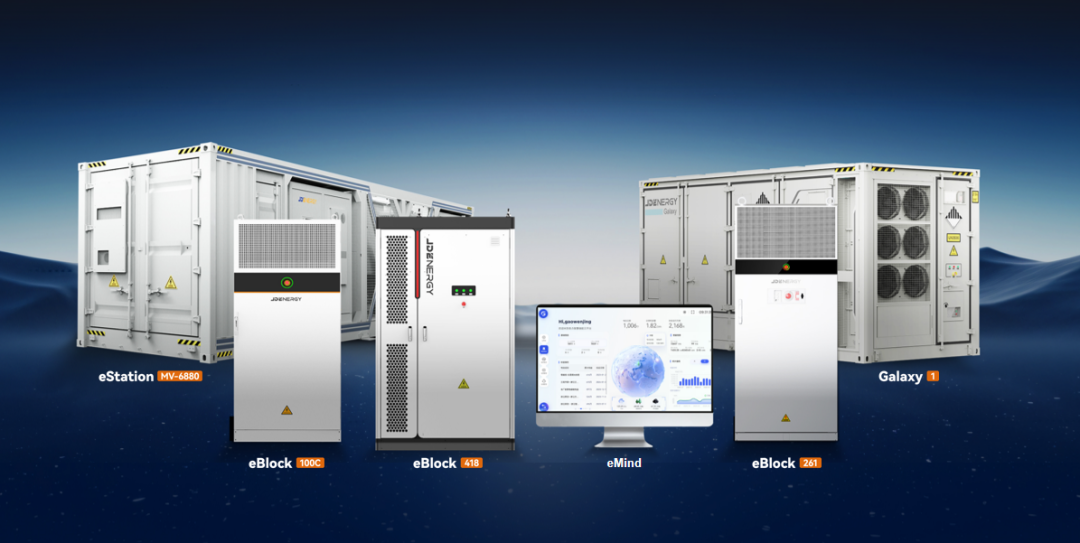
Hardware Foundation: Adhering to the "All in One" product design philosophy, JDEnergy delivers standardized and modular solutions that enable flexible, rapid construction of energy storage power stations ranging from kWh to GWh scale, similar to building blocks.
Intelligent Brain: eMind Smart Energy Management System. Supported by digital twins, intelligent early warning and algorithm-driven decision-making, the system realizes visualized operating status, controllable scheduling strategies and preventable potential risks for power stations. It facilitates refined asset operation and continuously boosts power station revenue.
Through standardized products and digital-intelligent operation, JDEnergy addresses the four core challenges simultaneously. While guaranteeing highly reliable power supply for computing facilities, the solution maximizes green power accommodation and overall system returns.
04. Verification via Dengkou Project
Establishing a Benchmark for Green Power-Energy Storage Coordination
In the speech, Zhang Yi presented the operational Inner Mongolia Dengkou Energy Storage Power Station as a practical case to demonstrate the implementation effects of JDEnergy’s solution. Located in the core area of national desert, Gobi and barren land renewable energy bases, the project boasts a capacity of 500MW/2000MWh and adopts the Galaxy-1 modular energy storage system. It serves as a national benchmark grid-side energy storage project.
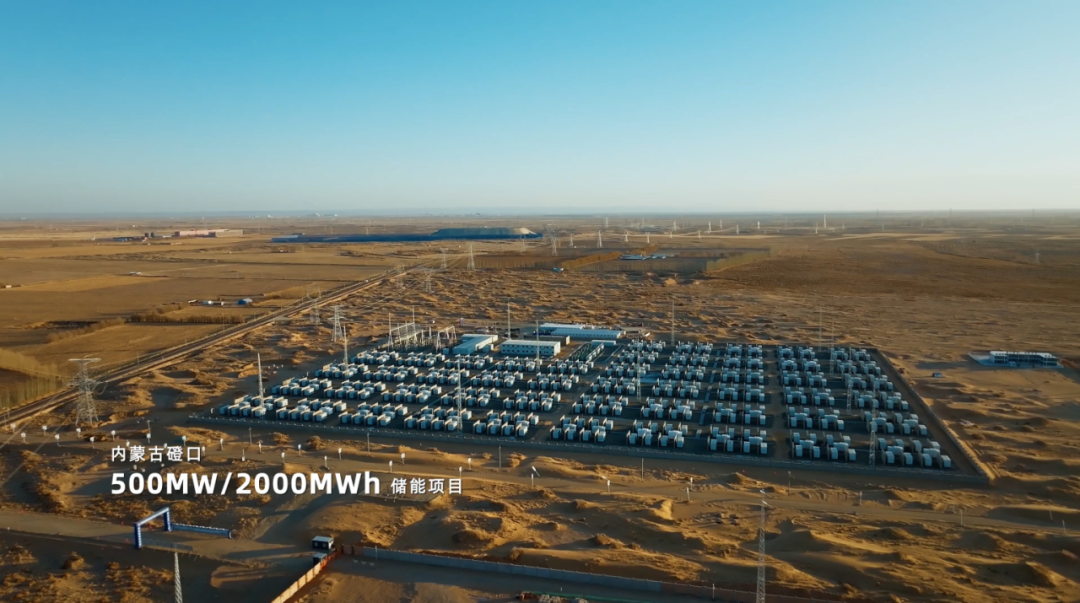
On the operation front, the station relies on the eMind-Trader Intelligent Power Trading & Operation Platform. The platform features a two-tier intelligent architecture. The edge layer conducts millisecond-level perception and rapid responses to grid signals and equipment status based on physical hardware. The cloud layer builds a four-dimensional twin space covering equipment, power stations, power grids and power markets. Supported by virtual-real mapping and AI algorithms, it forms a closed loop of perception, analysis, decision-making, execution and feedback, enabling automatic daily iteration of trading strategies.
Benefiting from digital-intelligent operation, the comprehensive revenue of the Dengkou Power Station ranked among the top 10% in the industry in the first half of 2026, verifying the commercial value of energy storage as revenue-generating intelligent assets.
On the O&M front, the eMind-Station full-scenario digital twin monitoring platform is deployed. Digital management transforms massive equipment maintenance from emergency repairs to predictive maintenance. The project achieves 0% thermal runaway incidents, 99.9% overall availability, a 35% reduction in O&M costs and an 80% improvement in inspection efficiency.
More than merely a GWh-scale large energy storage facility, the Dengkou Project acts as a steadily operating benchmark for green power and energy storage coordination, fully proving the feasibility and competitiveness of JDEnergy’s solution in large-scale and highly complex scenarios.
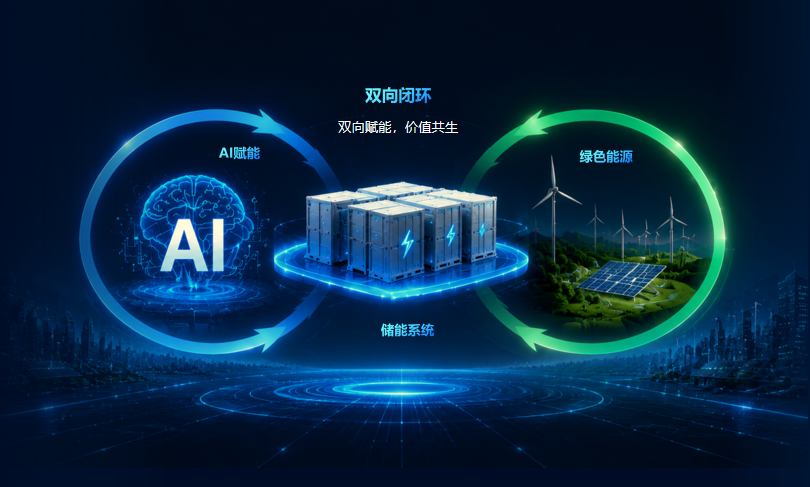
Looking ahead, Zhang Yi emphasized that the core mission of new energy storage lies in "empowering computing with electricity and boosting power industry with computing". AI enables industrial green transition, and green energy facilitates AI industrialization, forming a closed loop of two-way empowerment and value co-creation. In an era defined by computing power, JDEnergy advances deep integration of AI and energy storage, strikes the chord of power-computing coordination, and composes a new movement for a green, intelligent and efficient energy future.