Questions from the Desert, Answers from Dengkou — A Visit to JDEnergy’s First GWh-Scale Energy Storage Project

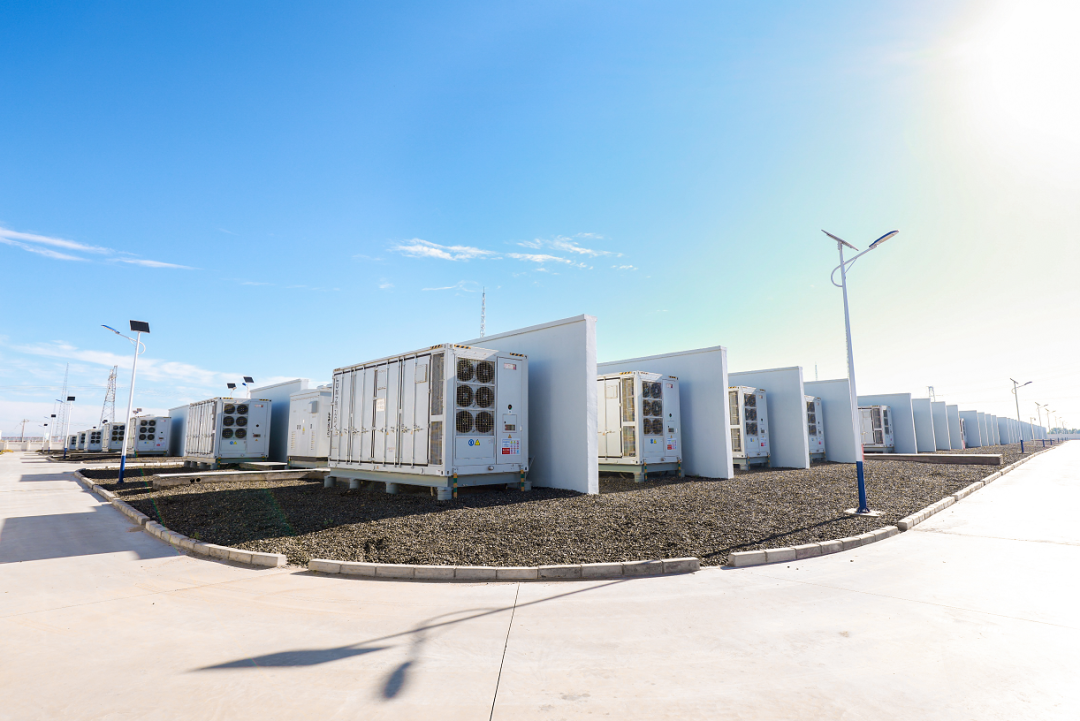
In Dengkou, Inner Mongolia, rows of energy storage cabins stand proudly under the scorching sun amid the vast sands of the Ulan Buh Desert. A 500MW/2000MWh energy storage power station is continuously charging and discharging around the clock, coexisting with the wind and sand while operating in sync with the power grid.
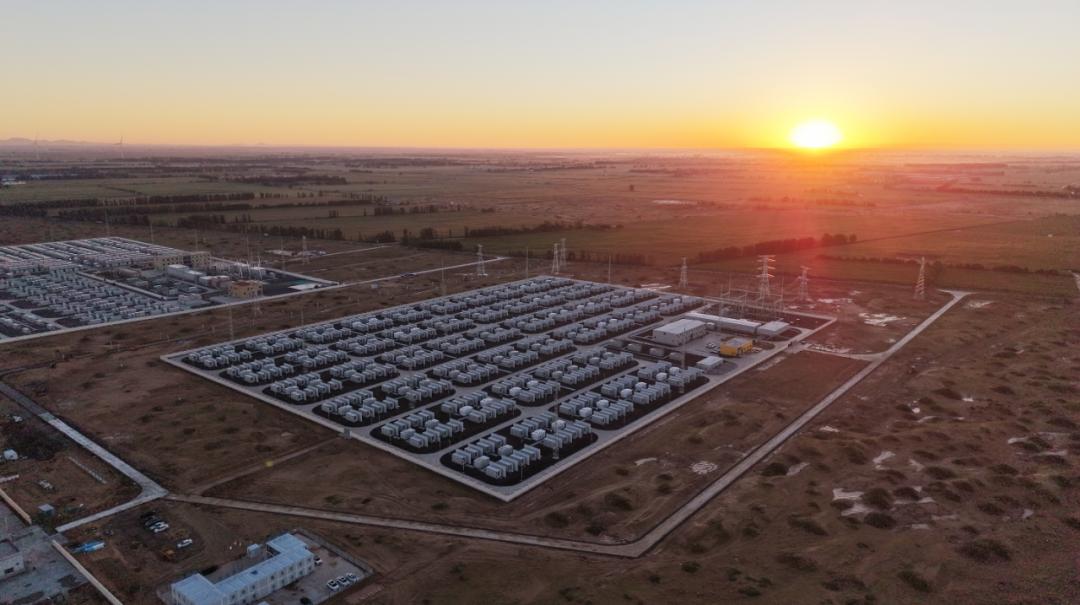
On August 13, JDEnergy invited media representatives and key customers deep into the desert for an on-site visit and exchange at the Dengkou energy storage project, an event centered on “letting real-world evidence speak for itself.” Through the actual operating data of a GWh-scale energy storage power station, the event addressed the industry’s questions about reliability and profitability. Amid the wind and sand, only real-world performance can reveal the truth.
01.
Industry Opportunities:
Independent Energy Storage Enters a New Era Where Real-World Performance Prevails
Over the past two years, independent energy storage has expanded at a remarkable pace, with installed capacity doubling repeatedly and projects being rapidly connected to grids across the country. At the same time, the development of electricity spot markets has accelerated, driving the revenue model of independent energy storage from “policy subsidy-driven” to “market-oriented operation-driven.”
The shift in revenue structures is driving the industry’s evaluation criteria from competing on installed capacity to competing on operational performance. Long-term reliability, system availability, overall conversion efficiency, and market-validated profitability have become the core benchmarks for evaluating the value of an energy storage project. Against this backdrop, a new era in which real-world performance prevails has begun.
02.
Deployment in Inner Mongolia:
A “Natural Testing Ground” for Independent Energy Storage
As the province with the largest installed capacity of new energy in China, Inner Mongolia is a core region for the development of the country’s large-scale wind and solar power bases in sandy, Gobi, and desert areas. It is also a “natural testing ground” for energy storage equipment. With more than 70 days of strong winds each year, a day-night temperature difference exceeding 60°C, and extreme winter temperatures approaching -40°C, the region imposes requirements on the protection rating, environmental adaptability, and long-term reliability of energy storage systems that are far beyond the industry average.
Meanwhile, western Inner Mongolia is one of the earliest regions in China to explore the commercial operation of independent energy storage. It has established a diversified revenue structure combining “electricity spot trading + capacity compensation.” This means that the actual operating data of independent energy storage power stations in western Inner Mongolia serves not only as a test of technical reliability, but also as an important reference for the industry in assessing the investment value of energy storage.
03.
The Dengkou Project:
The “Answer Sheet” of a GWh-Scale Energy Storage Power Station
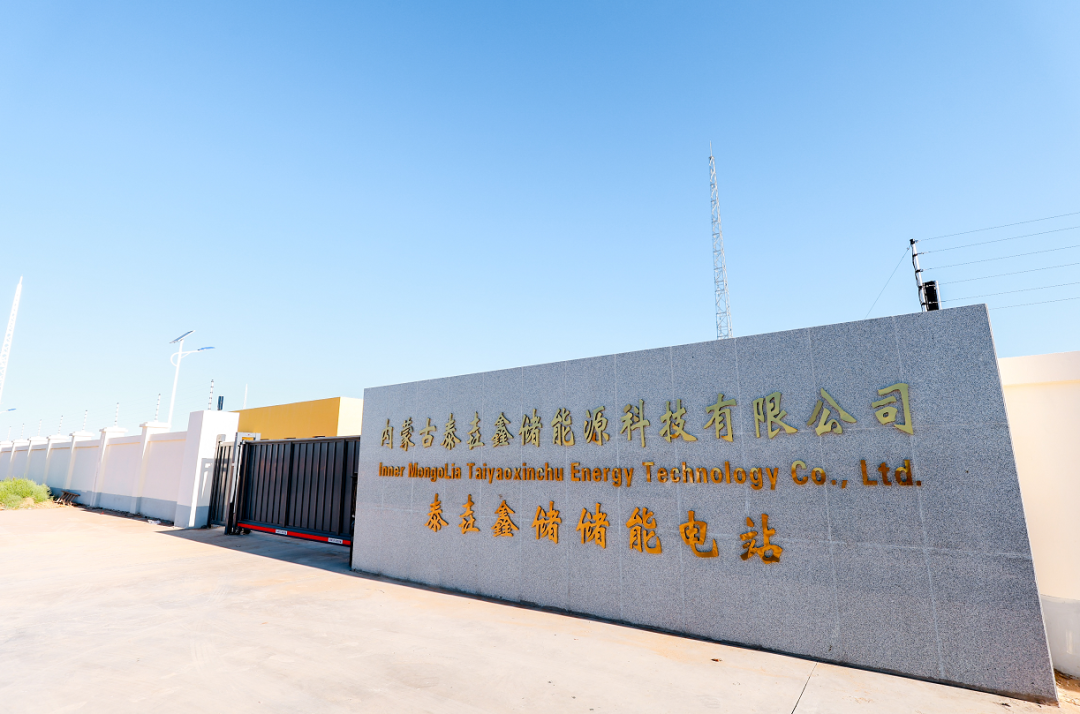
The Inner Mongolia Taiyao Xinchuxu Energy Storage Power Station visited during this event is located in Dengkou County, Bayannur City. As JDEnergy’s first GWh-scale energy storage project, the power station was connected to the grid in December 2025 and entered commercial operation in January 2026. It has since been operating safely and stably for more than seven months.
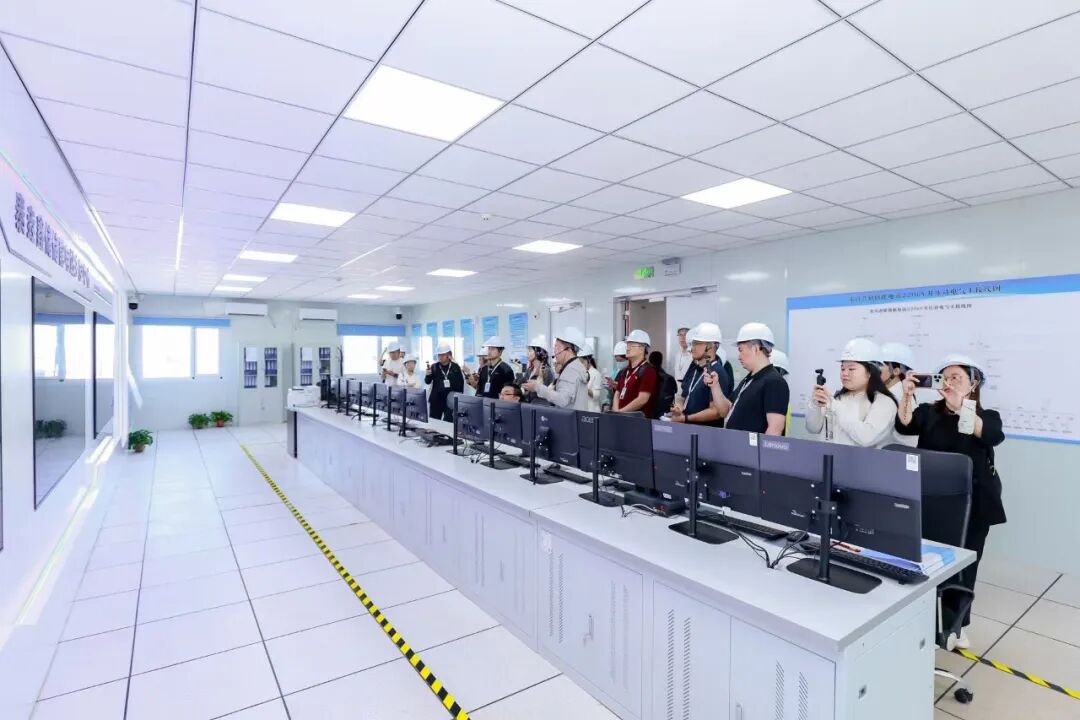
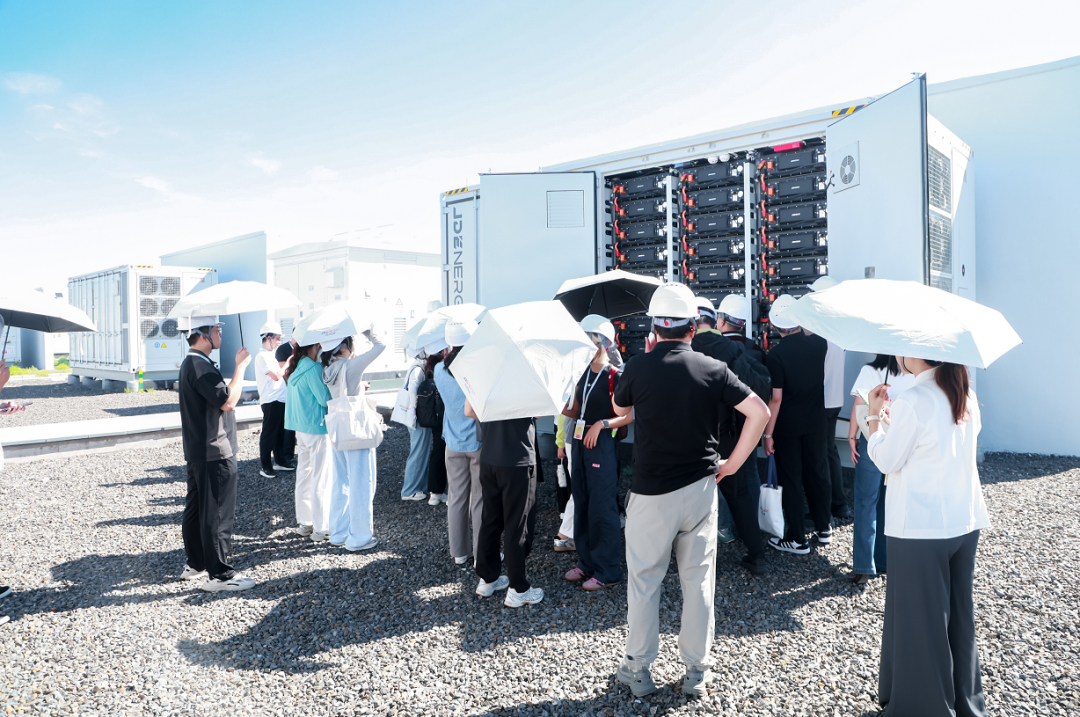
The power station has a capacity of 500MW/2000MWh and is equipped with 400 Galaxy-1 string-based prefabricated cabins, JDEnergy’s flagship product, along with 100 eLink-HV35 integrated collector and step-up units. During the site visit, guests observed and exchanged views on the technical architecture, operational performance, and actual revenue of the project. Among the operating data, several figures stood out:
Overall conversion efficiency: >88.5%, more than 6 percentage points higher than the industry average.
System availability: 100%, truly achieving “always available and always responsive.”
Revenue performance: consistently within the top 10% in the region, placing the project among the regional leaders.
04.
Discussing Energy Storage in Wuhai:
Exploring the “Path to Value” for Independent Energy Storage
Building on the outstanding operational performance of the Inner Mongolia Taiyao Xinchuxu Energy Storage Power Station, JDEnergy held a closed-door seminar in Wuhai following the site visit, with the aim of exploring the “path to value” for independent energy storage.
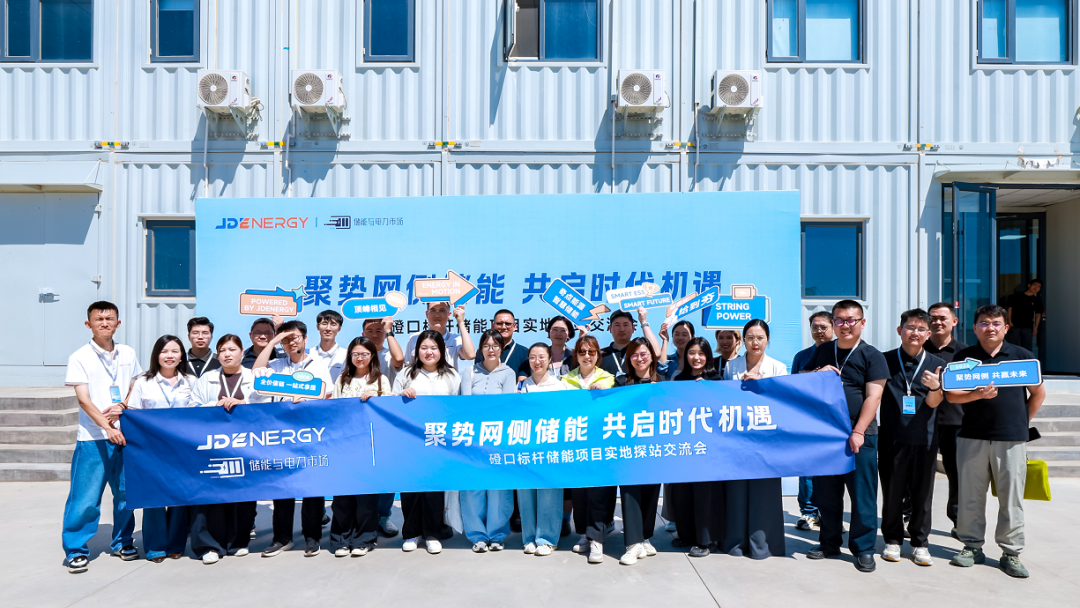 Media representatives participating in the site visit pose for a group photo.
The meeting brought together representatives from investment institutions, developers, EPC companies, financing institutions, and media organizations. Participants engaged in in-depth and candid discussions on key topics including policy mechanisms for independent energy storage, market insights, technical solutions, project delivery, and power station operations. Ideas and perspectives continued to collide throughout the session, creating a highly engaging atmosphere.
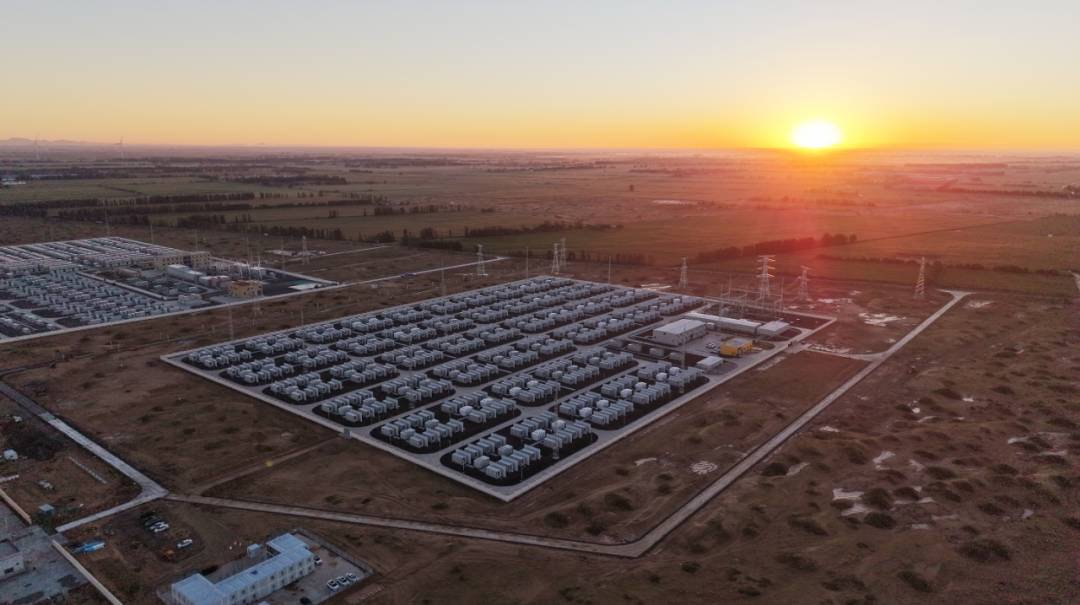
To uncover the “value code” of independent energy storage and explore the technical logic and operational expertise behind the “hard-core answer sheet” delivered by the Inner Mongolia Taiyao Xinchuxu Energy Storage Power Station, stay tuned for our series of articles and videos.
Real-world performance provides the benchmark for moving forward steadily and sustainably; in answer to the questions posed by the desert, Dengkou has already written its response.