JDEnergy’s First Energy Storage Project in Japan Connected to Grid, Successfully Breaking into the “High-End Market”

Recently, JDEnergy’s first energy storage project in Japan — the Japan Experimental Bureau Solar-Storage Integration Project — has been successfully connected to the grid. The implementation of this project marks that JDEnergy, with its solid technical strength, has successfully entered one of the globally recognized energy storage markets with the highest entry barriers.
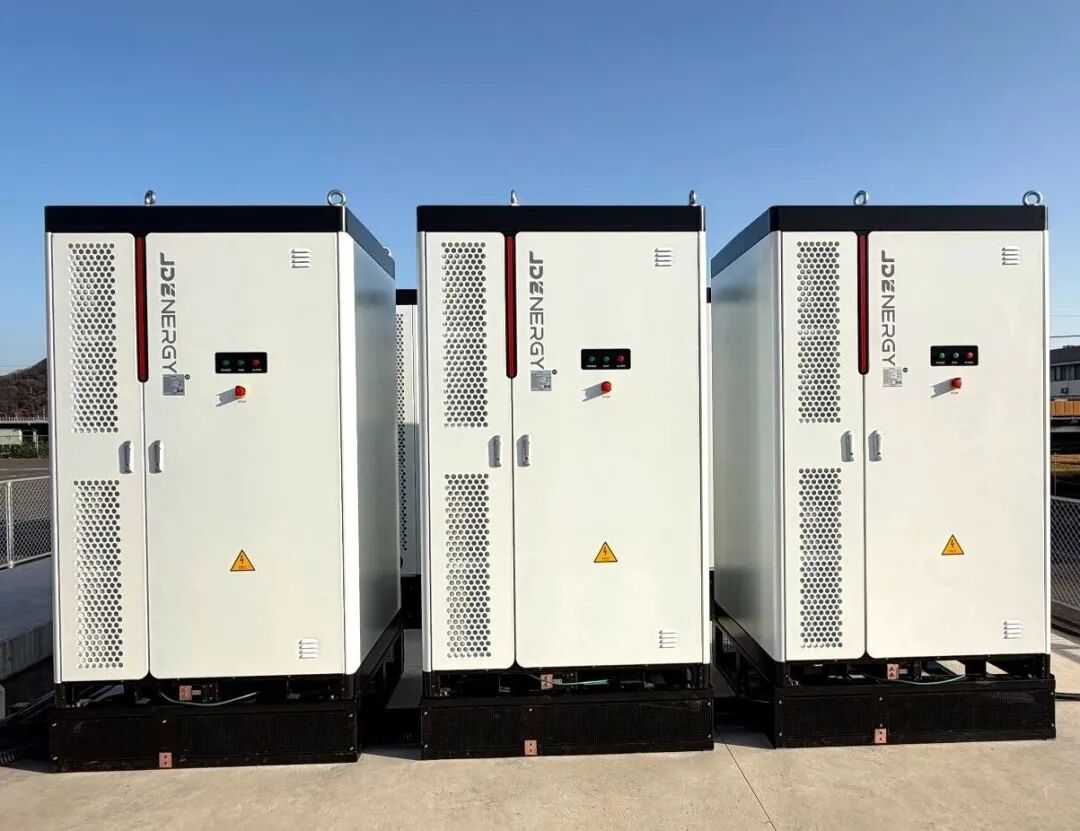
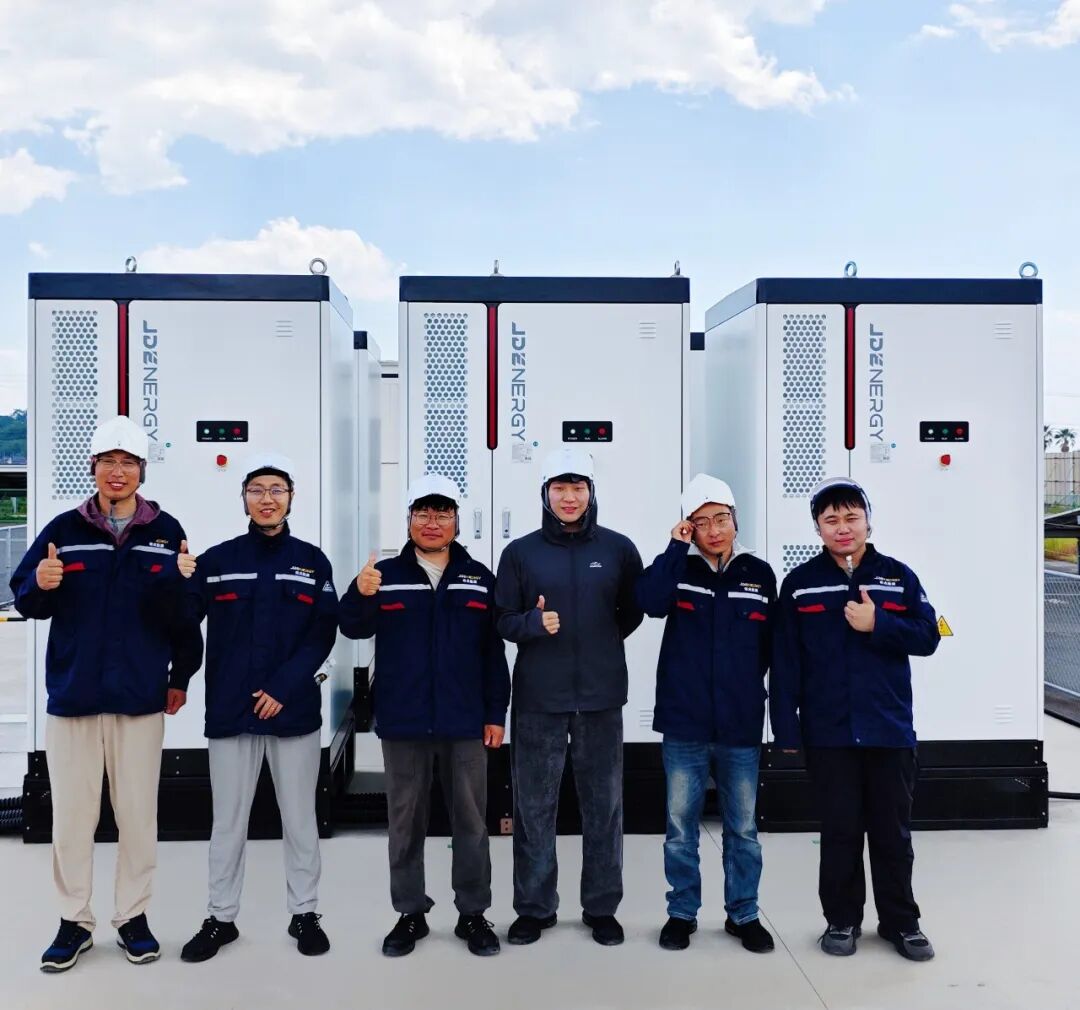
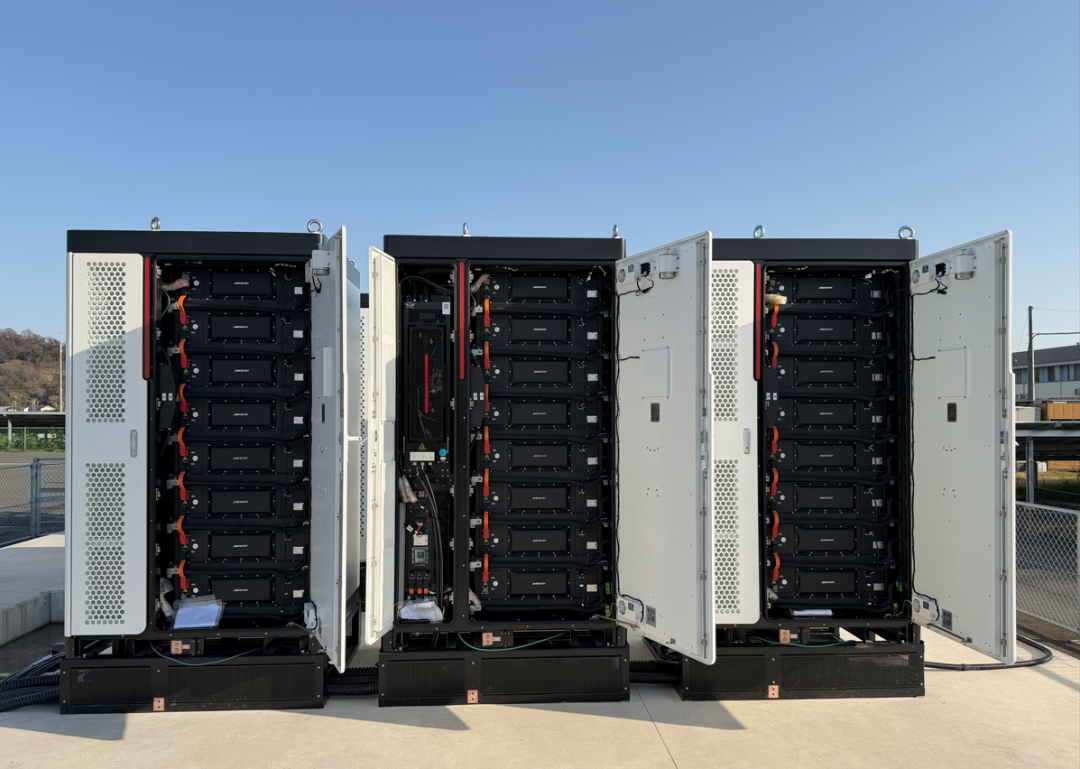
The project adopts JDEnergy’s distributed modular energy storage system solution, with a construction scale of 1MW/2.5MWh, consisting of 6 eBlock-418A energy storage cabinets and 1 eLink-16C control cabinet. The eBlock-418A features a standardized modular design, supporting flexible capacity expansion and convenient maintenance, while the eLink-16C takes charge of station-wide energy management and high-precision grid-connection control.
After commissioning, the project can realize efficient synergy between photovoltaic power generation and energy storage, maximize the local consumption rate of renewable energy, and effectively reduce solar curtailment. On this basis, with its millisecond-level response capability, the system can actively participate in primary frequency regulation of the power grid, quickly smooth out frequency fluctuations, and provide stable active power support for the regional grid. In addition, the system supports receiving dispatching instructions from remote aggregator EMS systems and power utilities, enabling optimal economic control of the solar-storage output across the entire station.
In terms of operation mode, the project can fully meet the complex application requirements of the Japanese market for solar-storage power stations. It can flexibly access the power balancing market, provide various auxiliary services including frequency regulation, and support power sales to the grid, realizing “full-scenario power trading” and thus forming a stable and diversified revenue closed loop.
The successful implementation of the Japan project is another major breakthrough in JDEnergy’s overseas expansion journey. Japan boasts a complex power grid structure and imposes extremely high requirements on the stability, dynamic response speed and safety of grid-connected equipment. Its market access certification system is particularly stringent: energy storage systems must pass strict tests and evaluations in multiple dimensions, such as islanding protection, fault ride-through, active/reactive power control, and frequency response.
Against this backdrop, the successful grid connection of the Japan project proves that JDEnergy’s energy storage system has met the access standards of the Japanese market in terms of grid adaptability and compatibility, safety design and core performance indicators. It has gained recognition from the global “high-end market” and laid a solid foundation for JDEnergy to further explore overseas markets.
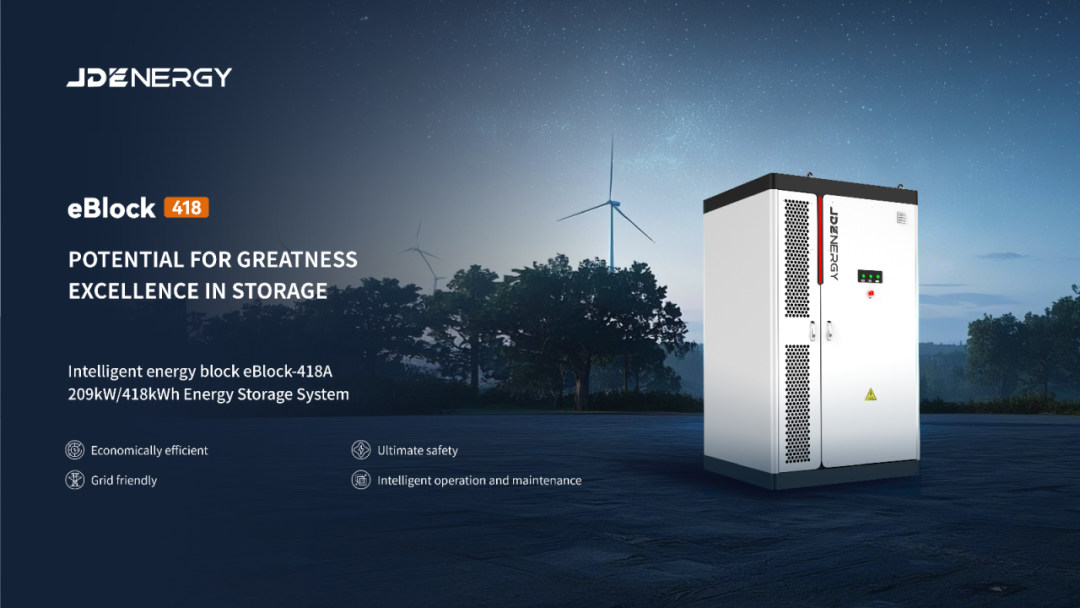
Notably, to precisely match the frequency characteristics of the Japanese power grid and localized demands, JDEnergy’s R&D team carried out in-depth customized product development based on its distributed modular technology route. It is reported that the team completed the customization, testing and delivery of the new product in only 5 months. This achievement fully highlights JDEnergy’s outstanding market insight and rapid product engineering and iteration capabilities.
With the successful launch of this project, JDEnergy has made its debut in the Japanese market, fully demonstrating its technical accumulation and engineering capabilities in the energy storage sector and setting a benchmark example for the global energy storage industry. Going forward, JDEnergy will continue to deepen the R&D and application of energy storage technologies to advance the global low-carbon energy transition.